Navigating the Complex World of ITAR Compliance in Aerospace Manufacturing
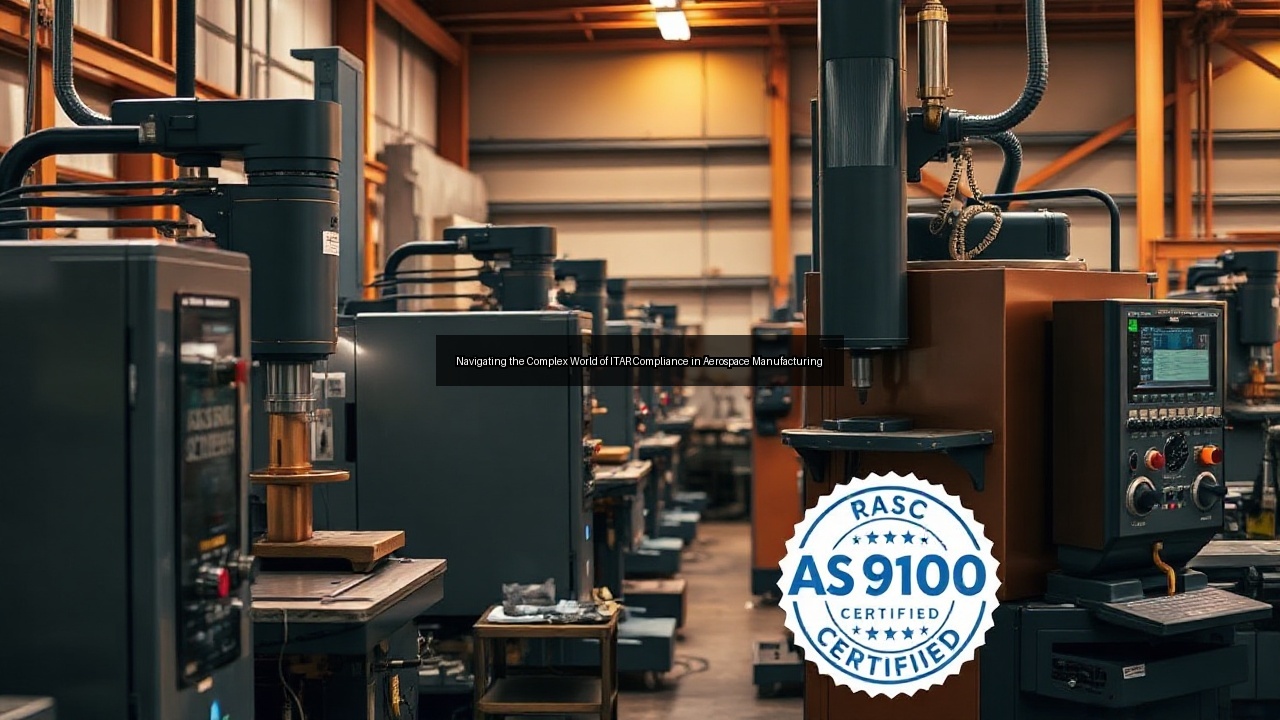
Understanding ITAR Compliance in Aerospace Manufacturing
Overview of ITAR and Its Importance
The International Traffic in Arms Regulations (ITAR) governs the export and import of defense-related articles and services, including those in aerospace manufacturing. ITAR compliance is crucial for companies engaged in the production of military and dual-use technologies. It ensures that sensitive information and technologies do not fall into the hands of adversaries, thereby safeguarding national security. Manufacturers must understand the intricacies of ITAR regulations to avoid severe penalties, including hefty fines and loss of export privileges. Aerospace companies, particularly those working in machine shops, play a pivotal role in complying with ITAR by adhering to strict guidelines regarding the handling and sharing of defense-related materials.
Key Regulations Affecting Aerospace Manufacturing
Aerospace manufacturers face numerous regulations under ITAR. These include requirements for licensing, record-keeping, and reporting. Companies must obtain licenses for exporting defense articles, which may include components made from specialized metals such as titanium or copper. ITAR also mandates that manufacturers implement stringent security measures to protect sensitive information. Additionally, the regulations require extensive documentation and compliance audits. Understanding these regulations is essential for aerospace machine shops to operate legally while maintaining their competitive edge in a highly regulated environment.
Consequences of Non-Compliance
Non-compliance with ITAR can lead to significant consequences for aerospace manufacturers. Companies found violating ITAR regulations may face substantial fines, which can reach millions of dollars. Beyond financial penalties, organizations risk losing their ability to participate in government contracts or export goods. The reputational damage from non-compliance can also hinder future business opportunities, as clients may seek partnerships with companies that demonstrate a consistent commitment to regulatory adherence. For aerospace machine shops, maintaining ITAR compliance is not merely a legal obligation; it is a critical component of their operational integrity and market viability.
The Role of AS9100 in Aerospace Machine Shops
Overview of AS9100 Certification
AS9100 certification represents an internationally recognized quality management system specifically tailored for the aerospace industry. This certification incorporates the principles of ISO 9001 while adding stringent requirements unique to aerospace manufacturing. Achieving AS9100 certification demonstrates a company’s commitment to quality, safety, and continuous improvement. For aerospace machine shops, this certification enhances their credibility and competitiveness in a demanding market. The certification process involves rigorous audits and assessments to ensure compliance with standards, ultimately leading to improved operational efficiency and customer satisfaction.
Benefits of AS9100 for Aerospace Manufacturing
Implementing AS9100 brings numerous benefits to aerospace manufacturers. First, it establishes a framework for effective risk management, allowing machine shops to identify and mitigate potential issues before they escalate. Second, AS9100 fosters a culture of quality, encouraging continuous improvement and innovation within the organization. This certification also enhances customer confidence, as clients prefer to engage with certified suppliers who as certification meet high standards of quality and reliability. Moreover, AS9100 certification can lead to increased market access, as many aerospace companies and government contracts require compliance with this standard.
Integrating AS9100 with ITAR Compliance
Integrating AS9100 with ITAR compliance creates a robust foundation for aerospace manufacturers. Both frameworks emphasize the importance of documentation, quality control, and risk management. By aligning their quality management systems with ITAR regulations, aerospace machine shops can streamline their processes and ensure adherence to both quality and security standards. This integration helps organizations maintain a competitive edge while mitigating risks associated with regulatory non-compliance. Ultimately, the fusion of AS9100 and ITAR compliance not only promotes operational excellence but also safeguards sensitive technologies and information crucial to national security.
Metalworking and Quality Management Systems
The Importance of ISO 9001 in Aerospace Machine Shops
ISO 9001 serves as the foundation for quality management systems across various industries, including aerospace. For aerospace machine shops, adhering to ISO 9001 standards ensures consistent quality in manufacturing processes. This framework emphasizes customer satisfaction, process improvement, and the importance of meeting regulatory requirements. By implementing ISO 9001, machine shops can enhance their operational efficiency, reduce waste, and improve product quality. Additionally, ISO 9001 certification can complement other certifications like AS9100, providing a comprehensive approach to quality management that meets the rigorous demands of the aerospace sector.
Best Practices for Quality Control in Metalworking
Quality control in metalworking is vital for aerospace manufacturers, where precision and reliability are paramount. Best practices include rigorous inspections throughout the manufacturing process, employing advanced technologies such as CNC machining and 3D printing. Machine shops should implement statistical process control (SPC) techniques to monitor production quality and identify trends. Regular training for employees on quality standards and procedures fosters a culture of excellence. Moreover, maintaining a robust feedback loop allows for continuous improvement, enabling machine shops to adapt to evolving industry demands and enhance overall product quality.
Selecting Metals for Aerospace Applications
Choosing the right metals for aerospace applications impacts overall performance and safety. Aerospace manufacturers often rely on materials such as aluminum, titanium, and high-strength steel due to their favorable strength-to-weight ratios. Copper, though less common, finds applications in components requiring excellent electrical conductivity. Machine shops must consider factors such as corrosion resistance, fatigue strength, and machinability when selecting metals. Utilizing advanced alloys and composite materials can also improve performance in challenging environments. A strategic approach to material selection ensures that aerospace components meet the rigorous standards required for safety and reliability.
Case Studies and Best Practices
Success Stories from Certified Aerospace Machine Shops
Numerous aerospace machine shops have successfully navigated ITAR compliance and AS9100 certification, showcasing the benefits of these frameworks. For instance, a certified machine shop increased its market share by demonstrating adherence to stringent quality standards while ensuring ITAR compliance. By implementing a comprehensive quality management system, they reduced production errors and improved customer satisfaction. Success stories like this illustrate how commitment to compliance and quality can lead to tangible business outcomes and enhanced reputation in the aerospace industry.
Challenges Faced by Aerospace Manufacturers
Aerospace manufacturers encounter various challenges in maintaining ITAR compliance and achieving AS9100 certification. Navigating the complexities of regulatory requirements often proves daunting, particularly for smaller machine shops with limited resources. Additionally, evolving technologies and materials necessitate ongoing training and adaptation, which can strain operational capabilities. The high costs associated with compliance audits and certifications can also pose financial challenges. Addressing these issues requires a proactive approach, including investing in employee training and leveraging technology to streamline compliance processes.
Insights from Hogge Precision on Compliance and Quality
Hogge Precision, a leader in aerospace manufacturing, provides valuable insights into the relationship between compliance and quality. Their implementation of an integrated quality management system has yielded impressive results in both ITAR compliance and AS9100 certification. By fostering a culture of continuous improvement and investing in employee education, Hogge Precision has enhanced its operational efficiency while ensuring adherence to regulatory standards. Their success highlights the importance of a strategic approach to compliance, emphasizing that quality and regulatory adherence go hand in hand in the aerospace sector.
See Also
- From ISO 9001 to AS9100 How Aerospace Machine Shops Evolve
- The Role of AS9100 Certification in Elevating Metalworking Excellence
- Innovative Practices in AS9100 Certified Aerospace Manufacturing
- How AS9100 Certification Enhances Customer Trust in Aerospace Parts
- Exploring the Benefits of AS9100 Certification for Aerospace Suppliers