How AS9100 Standards Revolutionize Quality in Metalworking Shops
Understanding AS9100 Standards in Metalworking
What is AS9100?
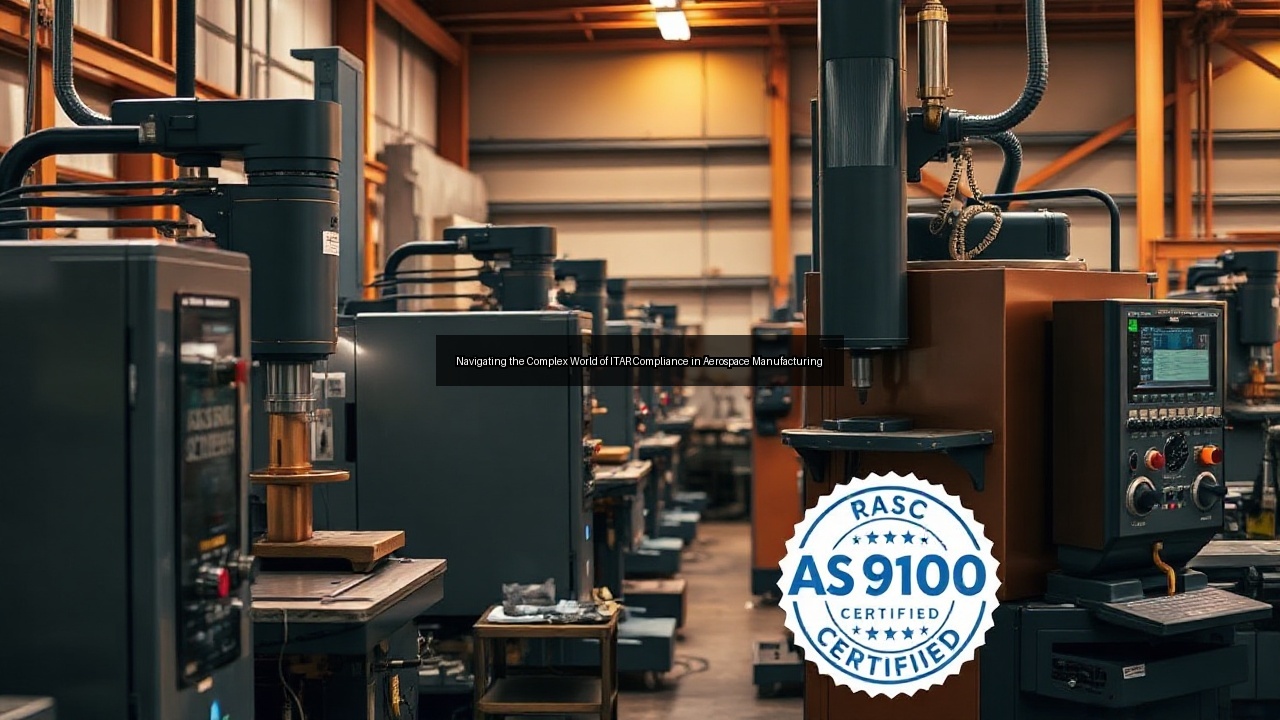
AS9100 establishes rigorous quality requirements tailored for aviation, space, and defense suppliers. Metalworking operations adopt this standard to control every production step from raw material receipt through final inspection. An as9100 machine shop must document processes that address product safety, counterfeit part prevention, and first article inspection. The standard demands measurable objectives for on-time delivery and scrap reduction. Shops that pursue certification train personnel on these controls and maintain records that auditors review during surveillance visits. Implementation raises overall discipline and gives customers confidence that parts meet tight aerospace tolerances.
The Relationship Between AS9100 and ISO 9001
AS9100 incorporates every clause of ISO 9001 while layering additional aerospace-specific mandates. Machine shops already certified to ISO 9001 find the transition straightforward because the base quality management system remains intact. The extra requirements cover configuration management, risk-based thinking applied to flight hardware, and stricter supplier evaluation. ISO 9001 focuses on customer satisfaction and continual improvement; AS9100 adds emphasis on product safety and regulatory compliance. Shops that maintain both certifications streamline audits by aligning procedures under one integrated manual. This overlap reduces duplication and allows metalworking teams to satisfy commercial and aerospace clients with the same core processes.
Key Components of AS9100 Standards
Core elements include operational risk management, human factors awareness, and detailed configuration control. Metalworking facilities must identify critical processes such as heat treating and nondestructive testing, then validate those operations before production begins. The standard requires a formal first article inspection report that records every dimension and material certification. Counterfeit part prevention procedures mandate traceability from mill certificates through finished components. Shops also establish a closed-loop corrective action system that tracks root causes and verifies effectiveness. These components work together to create a robust quality management system that withstands the scrutiny of prime aerospace contractors.
The Impact of AS9100 on Quality in Machine Shops
Enhancing Quality Management Systems
AS9100 forces machine shops to map every process and assign clear ownership. Teams document work instructions that eliminate variation in setups, tooling changes, and inspection methods. The standard requires regular internal audits that uncover gaps before external auditors arrive. Data from these audits drives targeted training and equipment upgrades. Over time the quality management system becomes proactive rather than reactive, catching deviations at the source. Metalworking operations report fewer customer returns and tighter process capability indices after certification. Continuous monitoring of key metrics keeps the system alive and aligned with production realities.
Benefits of AS9100 Certification for Metalworking Shops
Certified shops gain preferred supplier status with aerospace primes that mandate the standard. Reduced scrap and rework directly improve margins on high-value metals such as titanium and Inconel. Certification also opens doors to defense contracts that require documented traceability. Employees develop stronger problem-solving skills through structured root cause analysis. Marketing materials can highlight the credential, shortening sales cycles with new aerospace customers. Insurance providers sometimes offer lower premiums to certified facilities because the risk profile improves. These tangible gains justify the investment in training, documentation, and third-party audits.
Case Study: Hogge Precision and AS9100 Implementation
Hogge Precision, a South Carolina machine shop, achieved AS9100 certification after aligning its quality system with aerospace demands. The company mapped every machining cell, introduced digital work instructions, and trained machinists on configuration management. Within eighteen months, on-time delivery climbed above 95 percent while customer complaints dropped sharply. Hogge Precision integrated its existing ISO 9001 procedures with the additional AS9100 elements, avoiding redundant paperwork. The certification allowed the shop to secure long-term contracts for flight-critical brackets and housings. Management credits the structured approach for sustained growth in the competitive aerospace supply chain.
AS9100 Standards and the Aerospace Industry
The Role of AS9100 in Aerospace Manufacturing
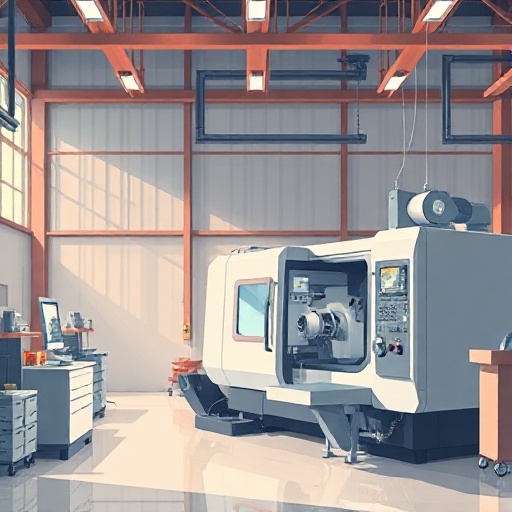
Aerospace manufacturing relies on AS9100 to ensure every machined component performs under extreme conditions. Machine shops that hold the certification demonstrate they can manage tight tolerances on structural parts and engine components. The standard links design intent with production controls, reducing the chance of in-service failures. Prime contractors flow down AS9100 requirements to all tiers, creating a consistent quality language across the supply base. Shops that master these rules become trusted partners capable of handling complex alloys and urgent program schedules. The credential signals readiness for the rigorous oversight that defines aerospace programs.
Compliance with ITAR in Aerospace Machine Shops
ITAR regulations restrict access to technical data and hardware related to defense articles. An aerospace machine shop pursuing AS9100 must combine export controls with quality records. Facilities register with the Directorate of Defense Trade Controls, train employees on handling restricted information, and mark drawings appropriately. AS9100 audits examine whether ITAR procedures integrate with configuration management and supplier approval. Noncompliance risks both certification loss and civil penalties. Shops that embed ITAR controls into daily operations maintain secure data rooms and visitor logs while still meeting aggressive delivery targets.
Challenges of Meeting AS9100 in Aerospace Metalworking
Shops encounter difficulties when legacy equipment lacks the data collection features auditors expect. Skilled labor shortages complicate efforts to maintain trained personnel for special processes. Material traceability becomes harder when suppliers provide mixed lots of high-strength metals. Keeping pace with engineering changes requires disciplined revision control that many small machine shops initially lack. Balancing production speed with the documentation burden tests management commitment. Successful facilities address these hurdles by investing in digital systems and cross-training operators on quality responsibilities.
Best Practices for Achieving AS9100 Certification
Steps to Prepare for AS9100 Certification
Preparation begins with a gap analysis against the current quality manual. Shops then rewrite procedures to incorporate aerospace additions such as risk registers and counterfeit part controls. Leadership must allocate resources for training and software that supports configuration management. A pilot project on a single aerospace part helps validate the new system before full rollout. Internal auditors practice with sample checklists to build confidence. Once documentation stabilizes, the organization schedules a stage-one audit followed by the certification audit. Clear timelines and assigned owners keep the project on track.
Common Pitfalls in AS9100 Certification
Many shops underestimate the time needed to train the entire workforce on new requirements. Incomplete supplier evaluations often surface during the certification audit and delay approval. Overly complex procedures that do not match actual shop floor practice create audit findings. Failure to link corrective actions back to risk assessments leaves the system incomplete. Some facilities neglect to update their internal audit schedule after initial certification, allowing drift. Avoiding these pitfalls requires realistic planning and ongoing management review rather than a one-time documentation push.
Integrating AS9100 with Other Standards like API
Shops that serve both aerospace and oilfield customers can combine AS9100 with API specifications under one management system. Overlapping clauses on management responsibility and continual improvement allow shared procedures. Separate appendices address the unique elements of each standard, such as API’s focus on well equipment and AS9100’s emphasis on flight safety. Integrated audits reduce the number of site visits and lower overall certification costs. Cross-functional teams review both sets of requirements during management meetings. This approach gives machine shops flexibility to pursue diverse markets without maintaining duplicate quality systems.
Future of AS9100 in Metalworking and Aerospace
Trends in Quality Management for Metalworking Shops
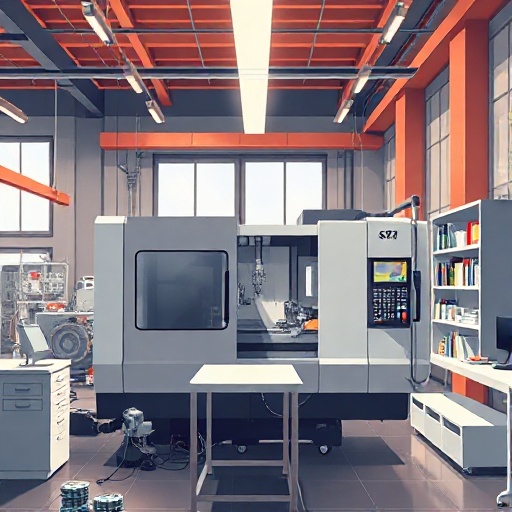
Digital thread technologies now link machining centers directly to quality records, allowing real-time SPC monitoring. Machine shops adopt these tools to satisfy AS9100 demands for objective evidence. Additive manufacturing introduces new validation requirements that the standard continues to address through updated guidance. Remote audit techniques gained acceptance after recent global events, reducing travel while maintaining rigor. Shops that invest in these trends position themselves for faster certification cycles and stronger customer relationships in the evolving aerospace market.
The Evolving Standards Landscape
AS9100 undergoes periodic revision to reflect changes in technology and regulation. The latest updates strengthen requirements around cybersecurity and human factors. Machine shops monitor IAQG communications to anticipate shifts that affect their quality systems. Harmonization efforts with ISO 9001 continue, preserving compatibility while tightening aerospace provisions. Facilities that treat the standard as a living document rather than a static checklist adapt more quickly to each revision. This forward stance protects certification status and supports long-term competitiveness.
Sustainability and AS9100 in Aerospace Manufacturing
Modern aerospace buyers increasingly request evidence of environmental responsibility alongside quality certification. AS9100 revision cycles now encourage consideration of sustainability within risk management. Metalworking shops reduce coolant waste and optimize chip recycling programs to lower their footprint. Energy monitoring on CNC equipment supports both cost control and environmental objectives. Certified facilities document these initiatives during management reviews, demonstrating that quality and sustainability reinforce each other. Customers view such integration as a sign of mature operations ready for future program demands.