The Benefits of Tailored Manifolds in Modern Hydraulic Systems
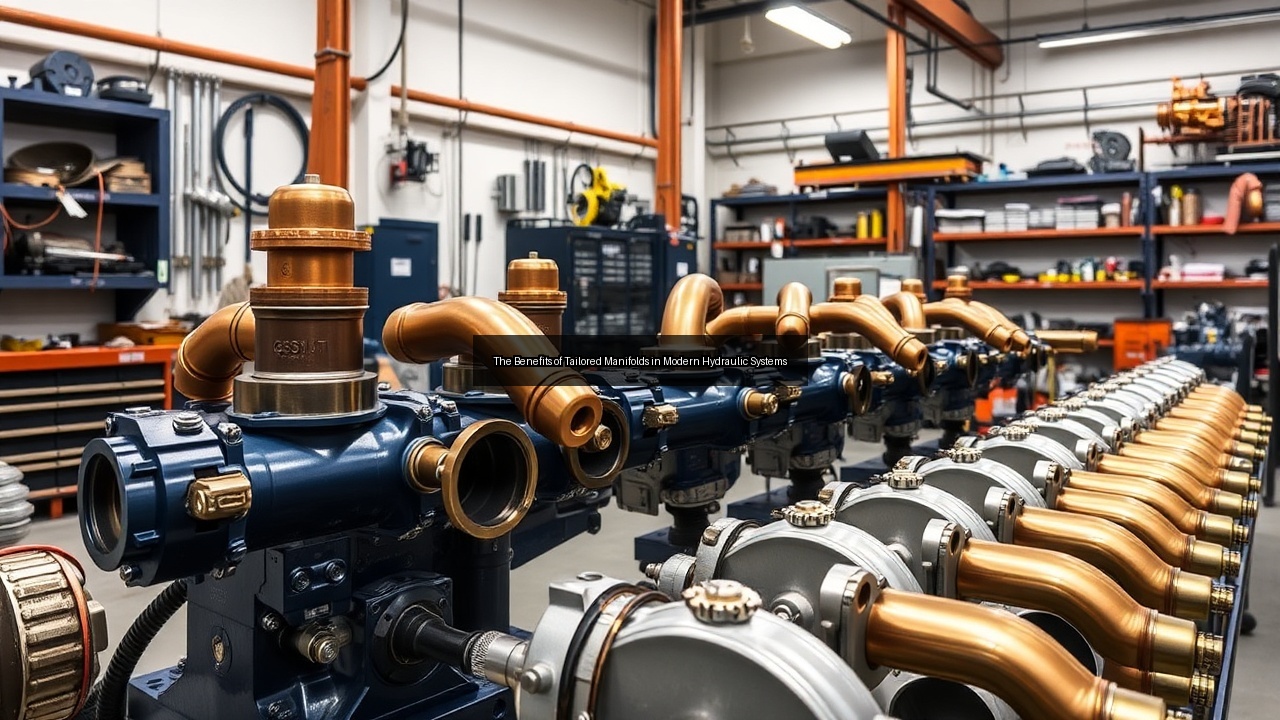
Understanding Tailored Manifolds in Hydraulic Systems
What are Custom Manifolds?
Custom manifolds represent a vital component in modern hydraulic systems, designed specifically to meet unique operational requirements. Unlike standard manifolds, which often serve generic applications, custom manifolds allow engineers to create solutions tailored to specific hydraulic needs. This customization can include unique configurations that accommodate a variety of valves, flow paths, and pressure ratings. Manufacturers leverage advanced engineering techniques to develop these tailored solutions, ensuring they align perfectly with the intended application. Such bespoke approaches enhance efficiency and performance, making custom manifolds indispensable in sectors ranging from agriculture to aerospace.
The Role of Manifolds in Fluid Power Systems
Manifolds play a critical role in fluid power systems by directing fluid flow and managing pressure across various hydraulic components. They serve as the central hub where hydraulic fluid enters, is distributed to multiple actuators, and returned to the reservoir. This distribution ensures optimal performance of hydraulic tools and machinery. Custom manifolds offer improved flow efficiency, reducing the risk of leaks and pressure loss. Their strategic design allows for simplified assembly, fewer connection points, and minimized chances of failure. By optimizing fluid dynamics, custom manifolds enhance the reliability and longevity of hydraulic systems, crucial for heavy-duty applications in construction and manufacturing.
Components of Custom Manifolds: Materials and Design
The construction of custom manifolds involves careful selection of materials and thoughtful design considerations. Common materials include brass, aluminum, and stainless steel, each offering distinct advantages depending on the application. Brass provides excellent corrosion resistance, making it suitable for various hydraulic fluids. Aluminum, being lightweight yet strong, is ideal for applications where weight is a concern, such as in aerospace. Stainless steel boasts high pressure resistance and durability, serving well in harsh environments like the oil and gas sector. The design of custom manifolds incorporates specific features such as NPT (National Pipe Thread) connections and SAE (Society of Automotive Engineers) fittings to ensure compatibility with a wide range of hydraulic components, including ball valves and other actuators.
Advantages of Custom Manifold Solutions
Enhanced Performance in Hydraulic Applications
Custom manifold solutions significantly enhance performance across a myriad of hydraulic applications. By allowing engineers to tailor the manifold design to specific system requirements, these solutions ensure optimal fluid flow and pressure management. Custom manifolds minimize the risk of leaks, which can compromise system efficiency and lead to expensive downtime. Furthermore, they allow for better integration of valves and other components, promoting higher responsiveness and precision in hydraulic operations. In industries where reliability is paramount, such as mining and heavy machinery, the customized approach to manifold design translates to improved operational efficiency and user satisfaction.
Cost Efficiency and Inventory Management
Investing in custom manifolds can lead to substantial cost savings and improved inventory management. Standard manifolds often require multiple fittings and adapters to achieve the desired configuration, inflating costs and complicating inventory. Custom designs streamline this process, reducing the number of components needed and ultimately lowering manufacturing and maintenance costs. Businesses can also optimize their inventory by using tailored manifolds that fit multiple applications, thus reducing the need to stock a wide range of standard parts. This efficiency not only cuts costs but also enhances the speed and ease of assembly, allowing companies to respond more quickly to market demands.
Flexibility in Design for Diverse Industries
Custom manifolds offer remarkable flexibility in design, catering to diverse industries and their unique needs. Whether in agriculture, construction, or aerospace, the ability to design a manifold to specific hydraulic requirements enables companies to enhance productivity and adapt to changing demands. For instance, in agricultural applications, custom manifolds can be designed to handle varying pressure levels and flow rates, accommodating different types of equipment such as tractors and harvesters. In the construction sector, tailored manifolds can facilitate the operation of heavy machinery, providing the necessary power for hydraulic tools while ensuring efficient fluid management.
Applications of Custom Manifolds Across Industries
Hydraulic Systems in Agriculture and Construction
Custom manifolds have become essential in hydraulic systems utilized in agriculture and construction. In agriculture, these tailored solutions enable precise control over hydraulic functions in equipment such as tractors and plows, ensuring optimal performance in various soil conditions. The ability to manage pressure and flow rates effectively can enhance productivity significantly. In construction, custom manifolds streamline the operation of heavy machinery, such as excavators and bulldozers, by efficiently distributing hydraulic fluid where needed. This efficiency not only boosts machinery performance but also contributes to safer operations on job sites, reducing the likelihood of equipment failure or leaks.
Role of Custom Manifolds in Oil and Gas Sector
The oil and gas sector relies heavily on custom manifolds for efficient fluid management in challenging environments. These manifolds must withstand extreme pressures and temperatures, requiring robust materials like stainless steel. Custom designs facilitate the integration of various components, such as valves and sensors, ensuring precise control over fluid flow and pressure in drilling operations. Furthermore, the tailored nature of these manifolds allows for quick adaptations to evolving operational needs, enhancing overall system reliability. In an industry where efficiency and safety are crucial, custom manifolds play a pivotal role in maintaining effective hydraulic systems.
Pneumatic Applications and Aerospace Innovations
Custom manifolds extend their utility beyond hydraulics into pneumatic applications, particularly in the aerospace sector. In aerospace engineering, the demand for lightweight and high-performance components is paramount. Custom manifolds designed for pneumatic systems can reduce weight while maintaining the necessary pressure ratings, optimizing aircraft performance. The ability to customize manifold designs allows engineers to integrate various pneumatic valves and actuators seamlessly, enhancing functionality. This innovation not only supports advanced aerospace applications but also contributes to more efficient manufacturing processes in the industry, paving the way for cutting-edge developments in aviation technology.
Selecting the Right Custom Manifold
Choosing the Right Materials: Brass, Aluminum, and Stainless Steel
Selecting the appropriate material for a custom manifold is crucial for its performance and durability. Brass manifolds offer excellent corrosion resistance, making them suitable for a variety of fluids, while aluminum provides a lightweight option ideal for applications where weight is a critical factor. Stainless steel stands out for its ability to withstand high pressures and harsh environmental conditions, particularly in oil and gas applications. Understanding the specific requirements of the hydraulic system helps in making an informed decision about which material will deliver the best results for the intended application.
Understanding Pressure Ratings and Valve Specifications
Pressure ratings and valve specifications are essential considerations when selecting a custom manifold. Each manifold must handle the specific pressure requirements of its application to prevent failure. Engineers should thoroughly understand the expected operating conditions and select valves that meet or exceed these requirements. This ensures the integrity of the hydraulic system and prevents costly leaks or system failures. Additionally, the compatibility of valves with the chosen manifold design plays a significant role in overall performance, emphasizing the need for careful planning in the design phase.
The Importance of Warranty and Supplier Reliability
Choosing a reliable supplier for custom manifolds is crucial, as it ensures quality and performance. A reputable supplier should offer a warranty on their products, providing assurance that the manifolds meet industry standards. A solid warranty reflects the supplier's confidence in their manufacturing processes and materials. Moreover, reliable suppliers often provide extensive information and support, helping customers navigate the complexities of custom manifold design. This partnership can significantly enhance the overall success of hydraulic system implementations, ensuring that businesses can depend on their equipment and maintain operational efficiency.
See Also
- How Custom Manifolds Enhance Agricultural Equipment Efficiency
- Designing for Durability Custom Manifolds in Construction
- Custom Manifolds vs Standard Options Which is Right for You
- The Art and Science of Designing Custom Manifolds
- Understanding the Importance of Material Selection in Custom Manifolds