Inside the World of AS9100 Machine Shops and Aerospace Manufacturing
Understanding AS9100 and Its Importance in Aerospace Manufacturing
What is AS9100 Certification?
AS9100 certification represents a globally recognized quality management standard specifically designed for the aerospace industry. This standard ensures that organizations consistently meet customer and regulatory requirements while enhancing customer satisfaction. AS9100 encompasses various aspects of quality management, including product design, development, production, installation, and service. It builds upon the foundation of the ISO 9001 standard but integrates additional requirements specific to aerospace manufacturing. This certification is critical for machine shops looking to engage with aerospace clients, as it assures stakeholders of the shop's commitment to quality, safety, and reliability in producing aerospace components. By achieving AS9100 certification, machine shops not only enhance their marketability but also streamline their operations to meet the rigorous demands of the aerospace sector.
Key Requirements of AS9100 Rev D
AS9100 Rev D includes several key requirements that machine shops must adhere to for certification. The standard emphasizes risk management, ensuring that organizations identify and mitigate potential risks throughout their processes. This proactive approach helps prevent defects and enhances overall operational efficiency. Additionally, AS9100 Rev D mandates the establishment of a robust quality management system (QMS) that encompasses all aspects of production. This includes documentation requirements, process control, and continuous improvement initiatives. Emphasis on employee training and competency is also crucial, ensuring that all personnel are equipped with the necessary skills to meet aerospace manufacturing standards. Furthermore, traceability plays a vital role; machine shops must maintain comprehensive records of materials, processes, and inspections to ensure accountability and transparency throughout the manufacturing lifecycle.
Benefits of AS9100 Certification for Machine Shops
Obtaining AS9100 certification offers numerous benefits for machine shops operating in the aerospace sector. First and foremost, it enhances credibility and instills confidence among clients. Aerospace manufacturers often prefer working with certified suppliers, as it guarantees adherence to stringent quality standards. This can lead to increased business opportunities and competitive advantages in a crowded marketplace. Furthermore, AS9100 certification promotes a culture of continuous improvement within machine shops. By adopting the principles outlined in the standard, organizations can streamline operations, reduce waste, and improve overall efficiency, resulting in cost savings. Additionally, the focus on customer satisfaction fosters long-term relationships with clients, as machine shops demonstrate their commitment to delivering high-quality products consistently. Ultimately, AS9100 certification empowers machine shops to elevate their operational standards and solidify their position in the aerospace industry.
The Role of AS9100 Machine Shops in Aerospace Production
Overview of Aerospace CNC Machine Shops
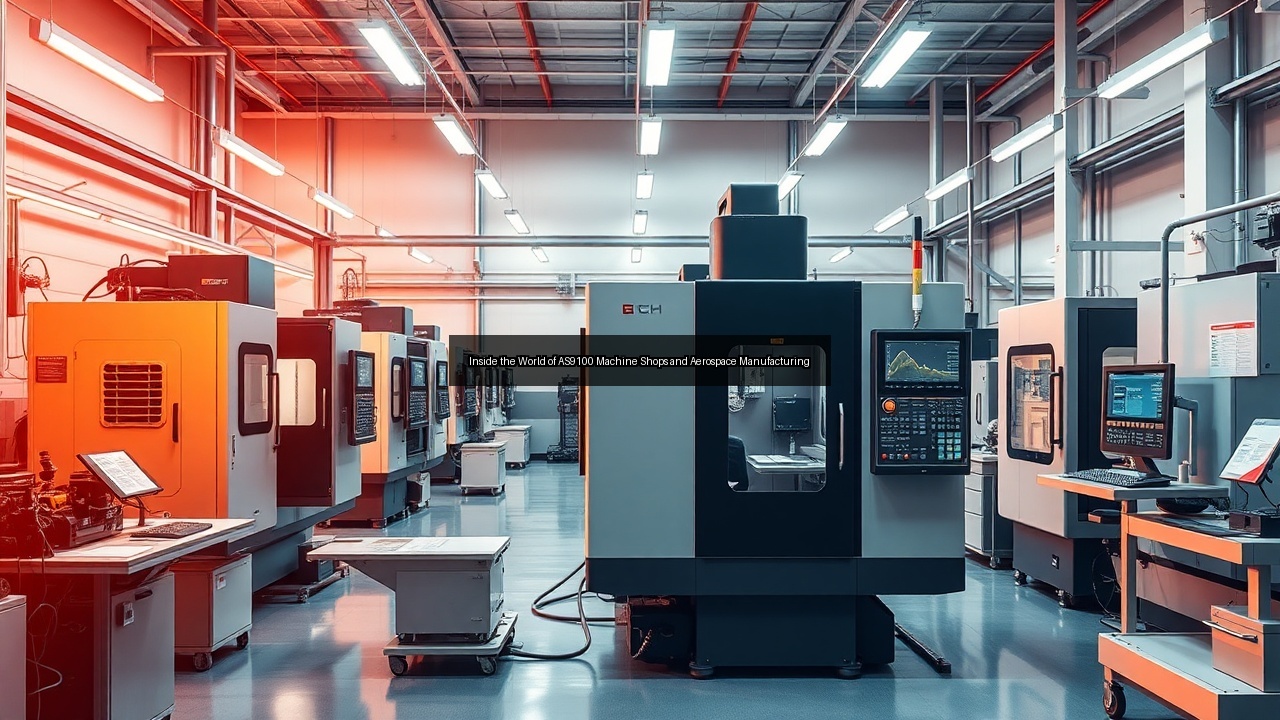
Aerospace CNC machine shops play a pivotal role in the aerospace manufacturing landscape. These specialized facilities leverage advanced CNC machines to produce precision components critical for aircraft and spacecraft applications. The complexity and intricacy of aerospace components necessitate a high level of accuracy and consistency, making CNC machining an ideal choice. AS9100 machine shops implement rigorous quality control measures, ensuring that each part meets the exacting specifications set forth by aerospace manufacturers. This includes utilizing state-of-the-art technology and skilled machinists who understand the nuances of aerospace component requirements. The integration of CNC machining allows for rapid prototyping and production scalability, enabling machine shops to respond swiftly to changing demands in the aerospace sector. As a result, aerospace CNC machine shops not only contribute to the production of essential components but also drive innovation and efficiency within the industry.
Critical Processes in AS9100 Compliant Machining
AS9100 compliant machining involves several critical processes that ensure the production of high-quality aerospace components. First, effective planning and resource allocation set the foundation for successful machining operations. This includes selecting the appropriate materials, tools, and machining techniques based on the specific requirements of the aerospace components being manufactured. Next, machine shops must implement precise machining processes that adhere to established tolerances and specifications. This often entails utilizing advanced CNC machines equipped with sophisticated tooling and software for optimal performance. Inspection and verification processes are integral to AS9100 compliance, as they ensure that each component undergoes thorough checks for dimensional accuracy, surface finish, and overall quality. Routine maintenance of CNC machines also plays a crucial role in sustaining performance levels and preventing breakdowns, ultimately contributing to timely delivery of products. By prioritizing these critical processes, AS9100 machine shops establish a reputation for reliability and excellence in aerospace manufacturing.
Importance of Inspection and Verification in Aerospace Manufacturing
Inspection and verification serve as cornerstones of quality assurance in aerospace manufacturing. AS9100 machine shops must implement robust inspection protocols to guarantee that all components meet rigorous aerospace standards. This involves a combination of in-process inspections and final product evaluations, utilizing precise measuring tools and techniques. Machine shops often employ advanced technologies such as coordinate measuring machines (CMM) and laser scanning to achieve the highest levels of accuracy and consistency. Verification processes also include traceability measures, where records of materials, processes, and inspections are meticulously maintained. This traceability not only aids in identifying potential issues but also fulfills compliance requirements set forth by regulatory bodies. The emphasis on inspection and verification fosters a culture of accountability, ensuring that every component produced is reliable and safe for use in aerospace applications. By prioritizing these practices, AS9100 machine shops reinforce their commitment to quality and safety in every aspect of production.
Maintaining Quality through Traceability and Certifications
Understanding Traceability in Aerospace Machining
Traceability in aerospace machining refers to the ability to track and document the history of a component throughout its manufacturing process. This aspect is crucial in ensuring compliance with AS9100 standards and regulatory requirements. Machine shops implement traceability systems to maintain detailed records of materials, processes, inspections, and testing results. This comprehensive documentation allows for quick identification of any defects or non-conformities, enhancing accountability and safety. Traceability also facilitates effective communication between machine shops and their aerospace clients, providing transparency in the supply chain. In the event of an issue arising with a component, traceability enables rapid responses and corrective actions, minimizing potential risks. Furthermore, maintaining a robust traceability system fosters confidence among clients and regulatory bodies, reinforcing the machine shop’s commitment to quality and reliability in aerospace manufacturing.
Checklist for AS9100 Compliance in Machine Shops
To achieve AS9100 certification, machine shops must follow a comprehensive checklist that encompasses various aspects of quality management. Key elements of this checklist include the establishment of a quality management system (QMS), which outlines policies, procedures, and responsibilities. Regular audits and assessments of the QMS ensure compliance with AS9100 standards. Additionally, machine shops must focus on employee training and competency, ensuring that all personnel understand their roles in maintaining quality. Documentation control is another critical aspect; machine shops must maintain accurate records of all processes, inspections, and deviations. Continuous improvement initiatives should be integrated into the operations, promoting a culture of excellence. Finally, regular communication with clients and stakeholders is vital for understanding their needs and expectations. By adhering to this checklist, machine shops can streamline their operations and enhance their chances of achieving and maintaining AS9100 certification.
The Future of Certifications in Aerospace Manufacturing
The future of certifications in aerospace manufacturing promises to evolve alongside technological advancements and industry demands. As machine shops continue to adopt innovative technologies such as automation, artificial intelligence, and advanced materials, certification standards will likely adapt to encompass these changes. The emphasis on sustainability and environmental responsibility may also influence the development of new certifications, encouraging machine shops to implement eco-friendly practices. Organizations will increasingly seek certifications that demonstrate their commitment to quality, safety, and innovation. Additionally, the globalization of the aerospace supply chain necessitates a common understanding of certification standards across different regions. As a result, machine shops must remain agile and proactive in their approach to certifications, ensuring they meet evolving standards and maintain their competitiveness in the aerospace sector. By embracing changes and fostering a culture of continuous improvement, AS9100 machine shops will secure their role in shaping the future of aerospace manufacturing.
See Also
- The Importance of AS9100 Certification for Your Machine Shop Success
- Elevating Standards in Aerospace with AS9100 Certified Machine Shops
- A Complete Checklist for AS9100 Certification in Machine Shops
- AS9100 Certification Myths Debunked for Machine Shop Owners
- Building a Culture of Compliance in AS9100 Machine Shops