How Thermoset Injection Molding Supports the Electronics Industry
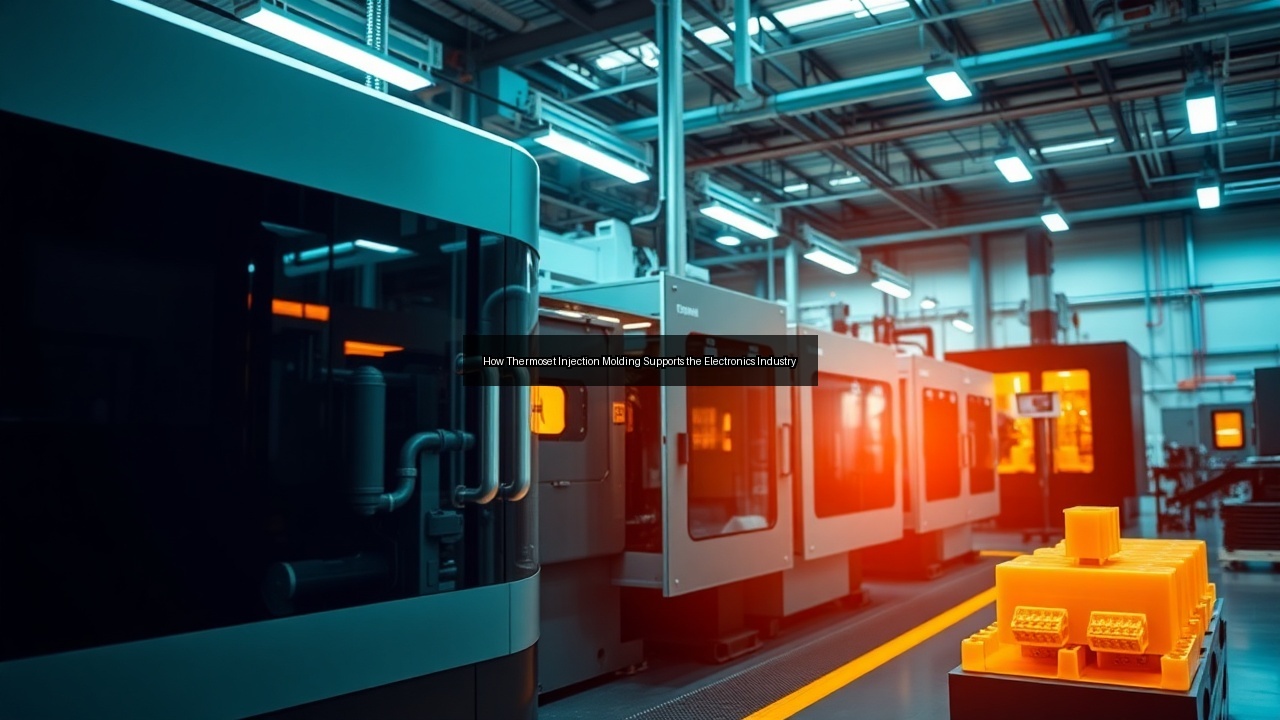
The Role of Thermoset Injection Molding in Electronics Manufacturing
Understanding Thermoset Materials in Electronics
Thermoset materials play a crucial role in the electronics industry, offering unique properties that enhance the performance and longevity of electronic components. Unlike thermoplastics, which can be melted and reformed, thermosets undergo a chemical change during the curing process, resulting in a rigid structure that maintains its shape even under extreme conditions. This characteristic makes thermoset injection molding particularly valuable for applications requiring stability and durability.
Common thermoset materials in electronics include epoxy resins, polyurethanes, and phenolic resins. These materials provide excellent electrical insulation, making them ideal for circuit boards and other electronic components. The curing process not only solidifies the material but also enhances its resistance to heat and chemicals, which is essential in environments where electronics are exposed to high temperatures and aggressive substances. Overall, understanding the properties of thermoset materials is vital for manufacturers aiming to produce high-quality electronic products.
Advantages of Thermoset Injection Molding Over Thermoplastics
Thermoset injection molding stands out as a superior choice in many applications compared to thermoplastic injection molding. One significant advantage is the thermal stability of thermosets. Once cured, these materials can withstand higher temperatures without degrading, making them suitable for electronic components that generate heat during operation. Additionally, thermosets exhibit minimal shrinkage and warping during the molding process, ensuring precise dimensions and consistent quality in molded parts.
Another key benefit is the inherent chemical resistance of thermoset plastics. They can endure exposure to various chemicals without degrading, which is crucial for electronics used in harsh environments. Moreover, thermoset materials often demonstrate superior mechanical properties, such as tensile strength and rigidity. This combination of durability, heat resistance, and chemical stability positions thermoset injection molding as a preferred method for producing reliable and long-lasting electronic components.
Key Benefits of Thermosets for Electronic Components
Durability and Heat Resistance
Durability and heat resistance are two standout characteristics of thermoset materials that make them indispensable in electronics manufacturing. Unlike thermoplastics, which may deform or lose structural integrity at elevated temperatures, thermosets retain their shape and functionality under extreme thermal stress. This stability is essential for components such as circuit boards, where consistent performance is critical. The ability of thermosets to withstand high temperatures without melting or deforming ensures that electronic devices can operate reliably in demanding conditions.
Additionally, thermoset plastics possess impressive mechanical strength and impact resistance. This durability protects sensitive electronic components from physical damage during production, transport, and end use. Whether used in consumer electronics, automotive applications, or industrial machinery, the long-lasting performance of thermoset materials translates to reduced maintenance costs and longer product lifespans, ultimately benefiting manufacturers and consumers alike.
Chemical Resistance of Thermoset Plastics
Chemical resistance is another major advantage of thermoset plastics in the electronics sector. These materials can withstand exposure to solvents, oils, and other harsh chemicals without deteriorating, which is critical for electronics that might encounter various substances throughout their lifecycle. For instance, circuit boards and connectors often face challenges from environmental contaminants, making the chemical stability of thermosets a significant asset.
Manufacturers appreciate that thermosets can be formulated to enhance specific chemical resistance properties, allowing for customization based on the application’s requirements. This versatility enables the production of components tailored for specific environments, such as automotive electronics exposed to fuels or industrial equipment that encounters corrosive substances. The ability to withstand chemical exposure without compromising performance significantly enhances the reliability and safety of electronic devices.
Recyclability and Environmental Impact
Recyclability is a growing concern in the manufacturing sector, including the electronics industry. While traditional thermoplastics offer straightforward recycling options, thermoset materials present challenges due to their cross-linked structure, which makes them difficult to remold or recycle once cured. However, innovations in thermoset recycling technologies are emerging, aiming to address these environmental concerns. Some companies are exploring methods to reclaim thermoset materials, contributing to a circular economy where waste is minimized.
Moreover, the environmental impact of thermosets extends beyond recyclability. The durability of thermoset components leads to longer product lifespans, reducing the frequency of replacements and, consequently, waste generation. Manufacturers are increasingly recognizing that investing in durable materials not only meets performance needs but also aligns with sustainability goals. As the push for greener manufacturing practices grows, the evolution of thermoset materials and recycling methods will likely contribute positively to the electronics industry's environmental footprint.
The Injection Molding Process for Thermosets
Overview of the Injection Molding Process
The injection molding process for thermosets involves several critical steps that ensure the production of high-quality electronic components. First, manufacturers prepare the thermoset material, which typically comes in a liquid or semi-liquid state. This material is then heated to a specific temperature before being injected into a mold under high pressure. Unlike thermoplastic injection molding, once the thermoset material fills the mold, it undergoes a curing process, often facilitated by heat or chemical agents, which hardens the material into its final shape.
During the molding process, precise control over temperature and pressure is essential to achieve optimal results. The curing phase can take longer than with thermoplastics, but it is crucial for developing the unique properties of thermosets. After curing, the mold is opened, and the newly formed component is ejected. This process allows for the mass production of complex shapes with high accuracy, making thermoset injection molding an efficient solution for producing electronic components.
Key Molding Materials and Their Applications
Various thermoset materials are utilized in injection molding, each serving specific applications within the electronics industry. Epoxy resins, for example, are widely used due to their excellent adhesive properties and electrical insulation capabilities. They are often found in circuit boards, encapsulating electronic components to protect them from moisture and contaminants. Polyurethane is another popular choice, known for its flexibility and impact resistance, making it ideal for connectors and housings that require durability.
Phenolic resins, recognized for their heat resistance and strength, are commonly used in applications such as electrical insulators and circuit breakers. Selecting the right molding materials based on the specific requirements of electronic components is crucial for ensuring optimal performance and reliability. Manufacturers must consider factors such as thermal properties, chemical exposure, and mechanical stress when choosing the appropriate thermoset material for their applications.
Quality Standards: ISO 13485 Compliance
Quality assurance plays a vital role in the production of electronic components, especially when it comes to safety and reliability. ISO 13485 compliance is a recognized standard that outlines the requirements for a quality management system specific to medical devices and related industries. Achieving this certification demonstrates a manufacturer’s commitment to maintaining consistent quality throughout the injection molding process, including the use of thermosets.
For electronics manufacturers, adhering to ISO 13485 ensures that products meet stringent safety and performance standards, which is essential in a market where reliability is paramount. This compliance not only enhances customer confidence but also opens doors to global markets, as many regions require adherence to these standards for electronic products. By prioritizing quality management and compliance, manufacturers can establish themselves as leaders in the competitive electronics landscape.
Future Trends in Thermoset Injection Molding for Electronics
Innovations in Thermoset Polymers
The landscape of thermoset polymers is evolving, driven by technological advancements and the need for improved performance characteristics. Researchers and manufacturers are exploring new formulations that enhance the properties of thermosets, such as increased flexibility, lighter weight, and enhanced thermal stability. Innovations in additives and fillers also play a role in tailoring thermoset materials for specific applications, allowing for greater customization in electronic components.
Furthermore, the development of bio-based thermosets presents exciting opportunities for sustainability in the electronics industry. These materials, derived from renewable resources, offer an alternative to traditional petroleum-based thermosets, aligning with the growing demand for eco-friendly products. As the industry embraces these innovations, manufacturers can produce electronic components that not only perform better but also contribute positively to environmental sustainability.
Sustainability in Plastic Injection Molding
Sustainability remains a critical focus for the future of plastic injection molding, including thermosets. As consumers and regulators increasingly prioritize eco-friendly practices, manufacturers are reevaluating their processes and materials. The development of closed-loop systems, where waste materials are reused in the production of new components, is gaining traction. This approach minimizes waste and reduces the environmental impact of plastic injection molding.
Additionally, advancements in recycling technologies specific to thermosets are emerging, making it easier to reclaim and repurpose these materials. The integration of sustainable practices not only meets regulatory requirements but also enhances a manufacturer’s brand image and appeal to environmentally conscious consumers. As the industry progresses toward more sustainable practices, thermoset injection molding will play a vital role in shaping the future of electronics manufacturing, ensuring that companies can deliver high-performance products while minimizing their carbon footprint.