Greasing Strategies for Optimal Performance in Construction Machinery
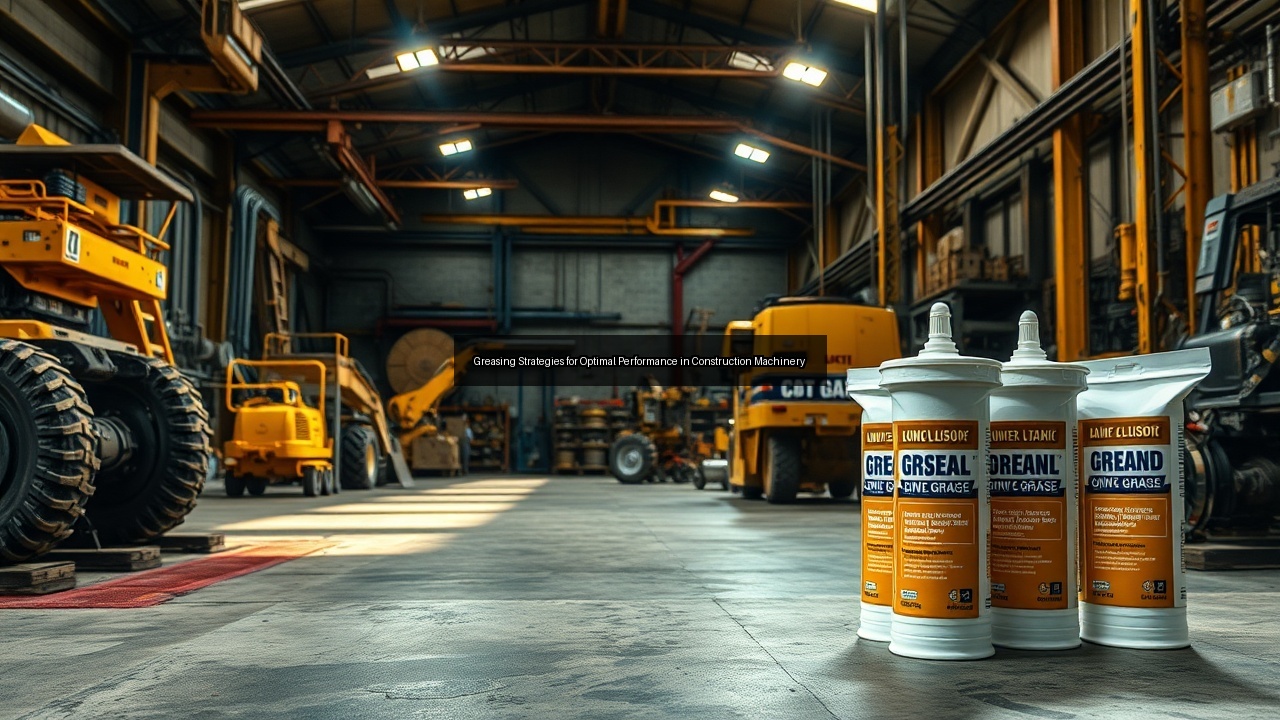
Understanding Heavy-Duty Industrial Greases
Types of Heavy-Duty Greases
Heavy-duty industrial greases come in various formulations, each tailored to meet the demanding conditions of construction machinery and other industrial applications. The most common types include lithium-based greases, calcium-based greases, and complex greases. Lithium greases are versatile and provide excellent water resistance, making them ideal for construction and agricultural machinery. Calcium greases excel in high-temperature environments, offering superior protection against corrosion. Complex greases combine the properties of both lithium and calcium, providing enhanced performance in extreme conditions. Other specialized greases include silicone greases for high-temperature applications and greases formulated for specific tasks, such as wire rope lubrication or gear applications. The choice of grease type significantly affects the performance and longevity of machinery in demanding industrial environments.
Key Properties of Grease Lubricants
Grease lubricants possess several key properties that ensure optimal performance in heavy-duty applications. High viscosity provides a thick barrier that reduces friction between moving parts, preventing wear and tear. The dropping point, which indicates the temperature at which grease transitions from solid to liquid, is crucial for high-heat applications. The ability to withstand pressure is another vital property; greases must retain their lubricating capabilities under extreme loads. Water resistance prevents washout in wet conditions, while anti-corrosion additives protect metal components from rust and degradation. Additionally, compatibility with various materials, such as seals and plastics, is essential to avoid chemical reactions that could compromise equipment integrity. Understanding these properties helps operators select the right grease for their machinery, ensuring reliability and efficiency.
Applications in Various Industries
Heavy-duty industrial greases find applications across numerous sectors, including construction, agriculture, mining, and transportation. In construction, lubricating grease plays a critical role in maintaining the performance of heavy equipment like bulldozers, excavators, and cranes. In agriculture, farmers rely on grease lubricants to ensure tractors and harvesters operate smoothly in rugged fields. The mining industry utilizes specialized greases to protect machinery from the harsh conditions of ore extraction, where dust and moisture can significantly affect performance. Transportation, including railroad and trucking, also depends on heavy-duty greases to keep engines, wheel bearings, and gear systems functioning optimally. Each industry's unique demands necessitate specific grease formulations to ensure machinery operates efficiently and to extend service life.
Greasing Strategies for Construction Machinery
Optimal Greasing Intervals
Establishing optimal greasing intervals is crucial for the effective maintenance of construction machinery. Over-greasing can lead to excessive pressure buildup, which may damage seals and lead to grease leakage. Conversely, under-greasing results in increased friction and wear, ultimately shortening equipment life. Operators should consult manufacturer recommendations, which typically provide guidelines based on usage and environmental conditions. Regular monitoring of grease levels in bearings and other critical components ensures that machinery receives the required lubrication. Many modern machines are equipped with automatic lubrication systems that can be programmed for specific intervals, reducing the chances of human error. Understanding the machinery's operating conditions, such as temperature and load, helps fine-tune greasing schedules, ensuring optimal performance and reliability.
Choosing the Right Grease for Your Equipment
Selecting the right grease lubricant for construction machinery involves evaluating several factors, including the machine's operating environment, load conditions, and temperature ranges. For high-load applications, such as excavators, a heavy-duty grease with high viscosity and load-bearing capabilities is essential. In contrast, equipment operating in extreme temperatures may require specialized greases that can withstand heat without breaking down. Additionally, compatibility with existing lubricants is crucial to avoid adverse chemical reactions. Operators should also consider environmental factors, such as exposure to water or aggressive chemicals, which can affect grease performance. Utilizing the manufacturer’s specifications and guidelines helps ensure that the selected grease lubricant meets the specific needs of the machinery, enhancing operational efficiency and reducing maintenance costs.
Impact of Temperature and Pressure on Grease Performance
Temperature and pressure significantly impact the performance of grease lubricants in construction machinery. High temperatures can lead to grease breakdown, reducing its effectiveness and causing increased friction and wear on critical components. Conversely, low temperatures can cause grease to thicken, leading to inadequate lubrication during startup. Operators should choose greases that maintain consistent performance across a wide temperature range. Pressure conditions also affect grease behavior; under high loads, greases must provide adequate film strength to prevent metal-to-metal contact. This is where understanding the specific application and operating conditions becomes vital. Using advanced lubricant technologies can enhance grease performance in extreme temperature and pressure situations, ensuring that machinery continues to operate smoothly under demanding conditions.
Technological Advancements in Grease Products
Innovative Lubrication Technologies
Innovations in lubrication technologies have transformed the landscape of heavy-duty industrial greases. Manufacturers have developed synthetic greases that outperform traditional mineral oils in terms of thermal stability, oxidation resistance, and overall performance. These advanced formulations often incorporate additives that enhance lubricating properties, reduce friction, and minimize wear. Moreover, the introduction of nanotechnology in lubrication has shown promising results, with nano-sized particles improving the protective qualities of grease. These innovations not only extend the life of machinery but also enhance energy efficiency, leading to reduced operating costs. Additionally, smart lubricants that provide real-time monitoring and diagnostics are gaining traction, allowing for proactive maintenance and minimizing downtime in critical operations.
Environmental Considerations in Grease Selection
Environmental concerns increasingly influence the selection of grease lubricants in various industries. Greases that comply with environmental regulations are essential, especially in sectors like food and beverage, where contamination risks must be minimized. Biodegradable greases made from renewable resources are gaining popularity, offering a more sustainable alternative to conventional lubricants. These eco-friendly options provide adequate protection while reducing environmental impact. Additionally, manufacturers are focusing on reducing packaging waste and promoting recycling initiatives, further contributing to sustainability efforts. Understanding the environmental impact of lubrication choices allows companies to align with corporate responsibility goals while maintaining operational efficiency.
Future Trends in Industrial Lubricants
The future of industrial lubricants, particularly heavy-duty greases, points toward increased customization and smarter solutions. As industries evolve, the demand for specialized greases tailored to specific applications continues to grow. Innovations in smart lubrication will likely lead to the development of self-diagnosing systems that adjust lubrication levels based on real-time data. Furthermore, advancements in additive technologies promise to enhance grease performance, reducing friction and wear while improving energy efficiency. The industry is also expected to see a shift toward more sustainable practices, driven by regulatory pressures and corporate sustainability goals. These trends indicate a dynamic future for industrial lubricants, with a focus on performance, efficiency, and environmental responsibility.
Maintenance Best Practices for Heavy Equipment
Tools for Effective Greasing
Effective greasing requires the right tools to ensure proper application and maintenance of heavy equipment. Grease guns, whether manual or pneumatic, provide the necessary pressure to deliver grease into bearings and other components accurately. Different types of grease guns, such as cartridge and bulk loaders, cater to various applications and user preferences. Additionally, lubrication scheduling tools, such as grease tracking software, help monitor greasing intervals and ensure compliance with maintenance schedules. Operators should also invest in high-quality grease applicators that minimize waste and ensure precise delivery. Regular training on greasing techniques and equipment maintenance guarantees that operators maximize the effectiveness of their greasing efforts, leading to prolonged machinery life and enhanced performance.
Signs of Inadequate Lubrication
Detecting inadequate lubrication early can save construction machinery from costly repairs and downtime. Common signs include unusual noises, such as grinding or squeaking, which indicate increased friction between metal parts. Overheating components can signal insufficient grease levels or degraded lubricants. Visual inspections revealing grease leaks or contamination also point to lubrication issues. Operators should regularly check for signs of wear on bearings, gears, and other moving parts, as these can indicate failing lubrication. Monitoring equipment performance metrics, such as fuel efficiency and operating temperatures, can provide additional insights into lubrication effectiveness. Addressing these signs promptly ensures that machinery continues to operate smoothly and efficiently.
The Role of Lubricating Grease in Machinery Longevity
Lubricating grease plays a pivotal role in extending the lifespan of heavy machinery. By reducing friction and wear, grease minimizes the likelihood of component failure, allowing equipment to function optimally over time. Proper lubrication also prevents corrosion and rust, which can compromise the structural integrity of critical components. Additionally, maintaining the right grease levels ensures that machinery operates at peak efficiency, resulting in improved energy consumption and reduced operational costs. Regular greasing schedules, combined with the use of high-quality lubricants, contribute significantly to machinery longevity. Investing in effective lubrication practices ultimately pays off through reduced maintenance expenses and grease types prolonged equipment life, making it a crucial aspect of machinery management in the construction industry.
See Also
- The Science Behind Lubricating Greases and Their Role in Reducing Friction
- The Role of Silicone Greases in High-Temperature Applications
- How Heavy-Duty Greases Enhance Performance in Mining Operations
- Understanding the Role of Grease Lubricants in Food and Beverage Production
- The Importance of Temperature Resistance in Heavy-Duty Greases