From Concept to Creation: The Journey of Hydraulic Machined Parts
Understanding Hydraulic Machined Parts
What are Hydraulic Machined Parts?
Hydraulic machined parts play a critical role in various industries by controlling and transferring hydraulic fluid. These parts, often engineered with precision, include components like valves, cylinders, and pumps that facilitate the operation of hydraulic systems. The term "machined" refers to the manufacturing process where raw materials undergo cutting, shaping, and finishing to create components that meet exact specifications. By utilizing advanced machining techniques, manufacturers produce parts that not only fit perfectly but also function efficiently within hydraulic applications. The precision of hydraulic machined parts ensures that systems operate smoothly, preventing leaks and enhancing overall performance.
The Role of Hydraulic Systems in Modern Engineering
Hydraulic systems serve as the backbone of modern engineering, powering machinery across numerous sectors, including construction, automotive, and aerospace. These systems rely on the principles of hydraulics, where fluid power drives mechanical processes. Hydraulic systems offer unmatched efficiency and force, enabling heavy machinery to lift, push, and pull with ease. Components like hydraulic pumps and actuators work in unison to convert fluid pressure into mechanical work, making them indispensable in high-load environments. Understanding the role of hydraulic machined parts within these systems highlights their importance in maintaining operational efficiency and reliability.
Key Characteristics of Quality Hydraulic Parts
Quality hydraulic machined parts must meet stringent criteria to ensure performance and longevity. First, precision in dimensions is crucial; even minor deviations can lead to system failures. The use of high-grade materials, such as steel or aluminum alloys, enhances durability and resistance to corrosion. Additionally, surface finishes play a significant role in the functionality of hydraulic components, reducing friction and wear during operation. Manufacturers must also consider tolerance levels, as tighter tolerances often result in better fitting and performance. Ultimately, the combination of these characteristics defines the quality of hydraulic parts, influencing their effectiveness in various applications.
The Manufacturing Process of Hydraulic Machined Parts
Overview of Machining Techniques
The manufacturing of hydraulic machined parts involves several intricate machining techniques designed to achieve high precision. Common methods include turning, milling, and grinding, each of which serves a specific purpose in shaping the final product. Turning is predominantly used for cylindrical parts, where a rotating workpiece is cut by a stationary tool. Milling, on the other hand, employs rotary cutters to remove material from flat or irregular surfaces. Grinding is often the finishing step, providing a smooth surface texture essential for hydraulic efficiency. Each technique contributes to the overall quality of the hydraulic machined parts, ensuring they meet industry standards.
CNC Machining: Revolutionizing Production Efficiency
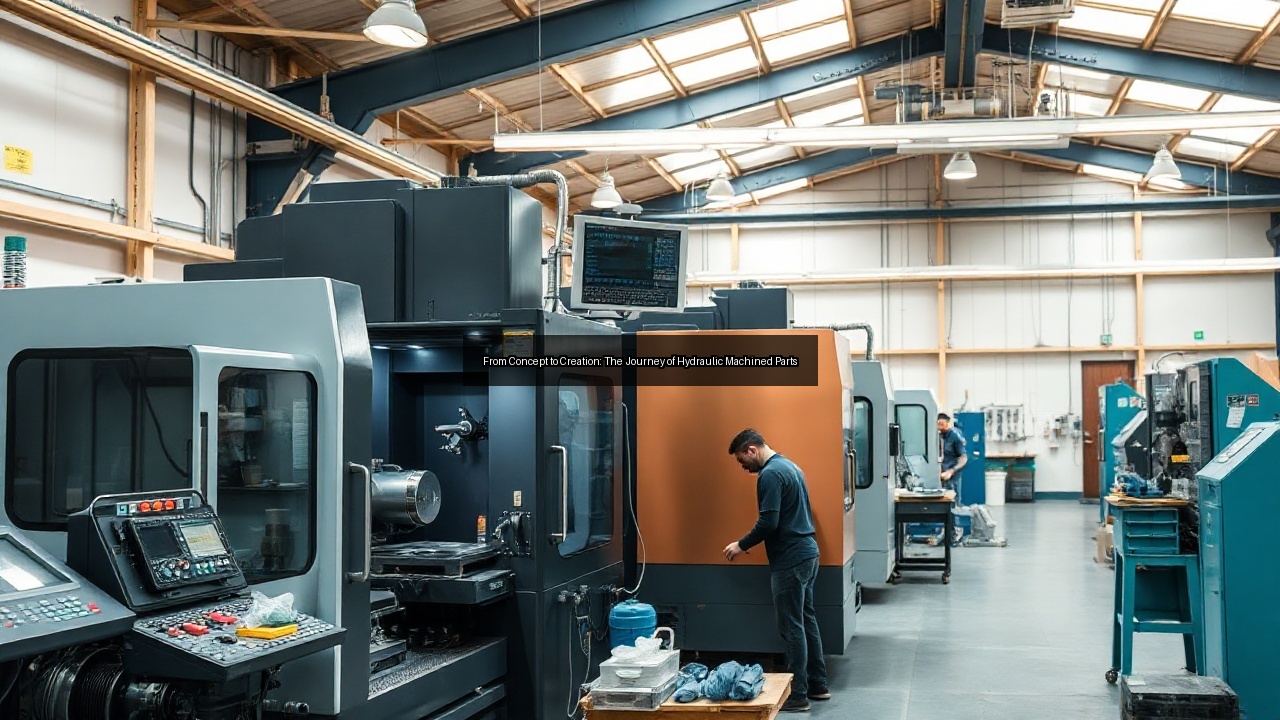
CNC (Computer Numerical Control) machining has transformed the landscape of hydraulic parts manufacturing. This technology allows for automated control of machining tools, resulting in unprecedented precision and efficiency. CNC machines can execute complex designs that would be challenging to achieve through manual machining. They also reduce human error, increasing the reliability of hydraulic machined parts. The ability to produce parts in high volumes while maintaining consistent quality makes CNC machining particularly valuable for manufacturers. As a result, many hydraulic machined parts manufacturers have adopted CNC technology to meet growing demands while optimizing production timelines.
The Importance of Milling and CNC Lathe in Manufacturing
Milling and CNC lathe operations stand out as essential components in the production of hydraulic machined parts. Milling offers versatility, allowing manufacturers to create intricate shapes and designs with high accuracy. This process is particularly useful for producing flat surfaces, grooves, and pockets required in various hydraulic components. CNC lathes complement milling by providing a method for shaping cylindrical parts with exceptional precision. Together, these machining processes enable manufacturers to produce a wide range of hydraulic components, from simple fittings to complex assemblies, ensuring they meet the diverse needs of their clients. The synergy between milling and CNC lathe operations enhances overall efficiency and reduces manufacturing lead times.
Quality Assurance in Hydraulic Machined Parts Production
Standards and Certifications for Quality Assurance
Quality assurance in the production of hydraulic machined parts hinges on adherence to industry standards and certifications. Organizations such as ISO (International Organization for Standardization) set benchmarks that manufacturers must meet for quality and safety. These standards encompass various aspects, including material integrity, manufacturing processes, and testing protocols. Compliance with these standards not only ensures the reliability of hydraulic parts but also builds customer trust. Manufacturers that pursue certifications demonstrate their commitment to quality, providing a competitive edge in the market. Implementing robust quality assurance practices safeguards both the manufacturer and the end-user from potential failures, reinforcing the importance of standards in hydraulic parts production.
Implementing Quality Control Techniques at FZE Manufacturing Solutions
FZE Manufacturing Solutions exemplifies how effective quality control techniques enhance the production of hydraulic machined parts. The company employs a multi-faceted quality assurance strategy that includes regular inspections, testing, and process audits. By integrating statistical process control (SPC), FZE monitors production parameters to detect deviations early, minimizing defects. Additionally, their commitment to continuous improvement fosters an environment where quality is paramount. This proactive approach not only safeguards product integrity but also strengthens customer satisfaction. FZE's focus on quality control serves as a model for other hydraulic machined parts manufacturers aiming to elevate their production standards.
Case Studies: Quality Successes from Hogge Precision and McCormick Industries
Hogge Precision and McCormick Industries offer compelling case studies in quality assurance for hydraulic machined parts. Hogge Precision implemented advanced inspection technologies, including automated vision systems, to enhance their quality checks. This innovation led to a significant reduction in defects and rework, driving efficiency in their manufacturing process. Meanwhile, McCormick Industries adopted a rigorous quality management system, allowing them to track and analyze production data effectively. By focusing on quality from design through production, both companies have achieved higher customer satisfaction and loyalty. Their successes highlight the critical role of quality assurance in maintaining a competitive edge in the hydraulic parts market.
The Future of Hydraulic Machined Parts Manufacturing
Innovations in Hydraulic Technologies
The future of hydraulic machined parts manufacturing promises exciting innovations in hydraulic technologies. Advances in material science, such as the development of lightweight composites and high-strength alloys, enhance the performance and efficiency of hydraulic components. These materials offer improved resistance to wear and corrosion, extending the lifespan of machined parts. Furthermore, smart hydraulic systems that integrate IoT (Internet of Things) capabilities provide real-time monitoring and diagnostics, enabling predictive maintenance. These innovations not only improve operational efficiency but also reduce downtime, making hydraulic systems more reliable and cost-effective for manufacturers and end-users alike.
Sustainability and Efficiency in Manufacturing Practices
Sustainability has become a driving force in the manufacturing of hydraulic machined parts. Manufacturers increasingly adopt eco-friendly practices, such as recycling materials and reducing waste in their production processes. Energy-efficient machinery and renewable energy sources contribute to a lower carbon footprint, aligning with global sustainability goals. These practices not only benefit the environment but also lead to cost savings in the long run. Customers are more inclined to partner with manufacturers that prioritize sustainable practices, making it a competitive advantage in the hydraulic parts market. The move towards sustainability reflects a broader industry trend towards responsible manufacturing.
The Impact of Automation on Hydraulic Parts Production
Automation reshapes the landscape of hydraulic machined parts production, driving efficiency and consistency. Automated systems streamline workflows, reducing the need for manual labor and minimizing the risk of human error. Robotics and AI-enhanced technologies facilitate rapid production rates while maintaining high-quality standards. As automation continues to evolve, manufacturers can expect further enhancements in precision and speed, allowing them to meet increasing market demands. The impact of automation extends beyond production; it also enhances supply chain management and inventory control, leading to a more agile manufacturing process. Embracing automation positions hydraulic machined parts manufacturers for success in a competitive marketplace.
See Also
- The Art and Science of Creating Reliable Hydraulic Machined Parts
- Efficiency Hacks for Hydraulic Systems Through Superior Machining
- How Hogge Precision is Redefining Hydraulic Machined Components
- Sustainable Practices in the Manufacturing of Hydraulic Components
- Unveiling the Secrets Behind High-Quality Hydraulic Machining